The Jet Stream
When we speak of streams, scenes of water gently flowing through a beautiful landscape might come to mind.
But there is a stream with neither water nor a landscape – a stream of air in the sky.
We're talking about the jet stream; so come with me and let's glide through the atmosphere for some exploring into the higher altitudes of God's creations.
Streams in the sky
Streams in the sky, how do we even know such a thing exists? Actually, scientists first suspected their existence back in the late 1800s.
In 1883, the volcanic island Krakatoa literally blew itself up with an explosive blast that circled the world several times, dumping ash all the way in Europe (Krakatoa being halfway around the world). It seemed that there had to be some air stream to carry the ash along.
The first actual research in discovering the jet stream came in 1920s Japan, but it wasn't well known. It wasn't until the 1930s when people flying in planes at higher altitudes started experiencing it:
Wiley Post, the first to fly solo around the world, noticed his ground speed (how fast he was moving along the ground) was a lot slower than expected. He figured he must be flying into a wind.
In World War II, westbound bombers flying to Japan were slowed by a wind. Also, the bombs they dropped drifted significantly off target.
Behold, the jet stream.
But how can we explain such a thing?
Let's start at the very beginning
Let's talk about the basics of wind and what causes it. (OK, there are multiple causes of wind. We'll focus on just one.)
The push and shove
Gas, such as air, has a pressure or force it pushes on all its surroundings, including the neighboring air. It is this pressure from the air inside a tire, balloon, parade float, or pool inflatable that inflates it out to its shape.

Such is the case for the air in our atmosphere as well; only it's never a constant. The amount of pressure in the atmosphere is always changing from place to place and over time. Some areas are high pressure regions (strong outward force), while others are low pressure (weak outward force). These regions are shown on a weather map as an L or H for low and high pressure.
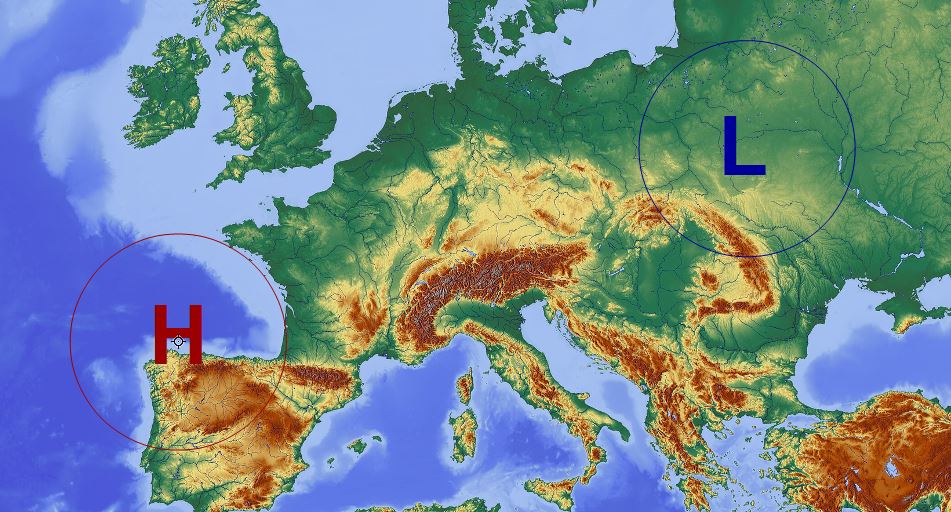
Simplified and fictitious weather map.
Imagine you're a bit of air between L and H.
What will happen?
You'll get pushed on by both, but the strong H will win out, driving you away from the high pressure and into the low.
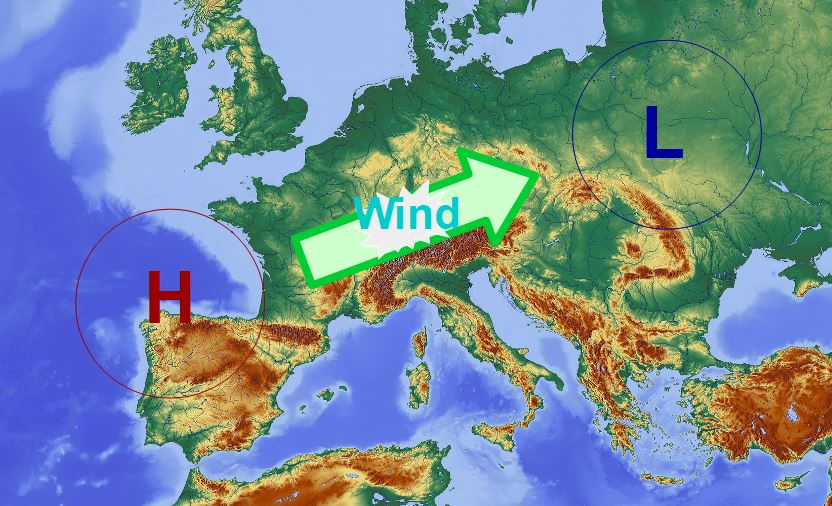
We get a wind.
On the move
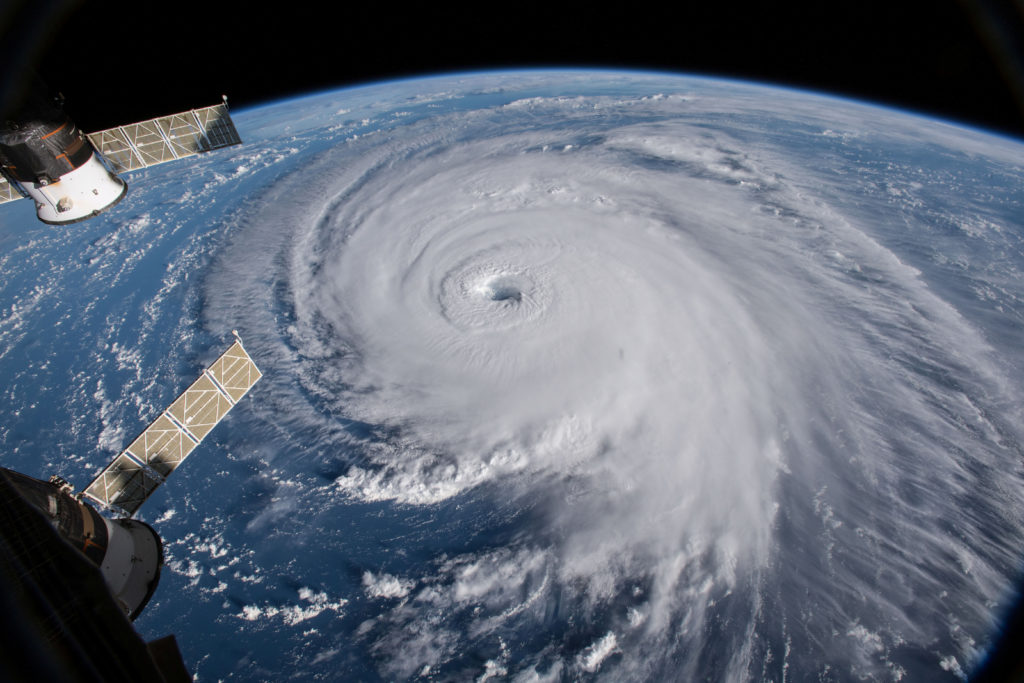
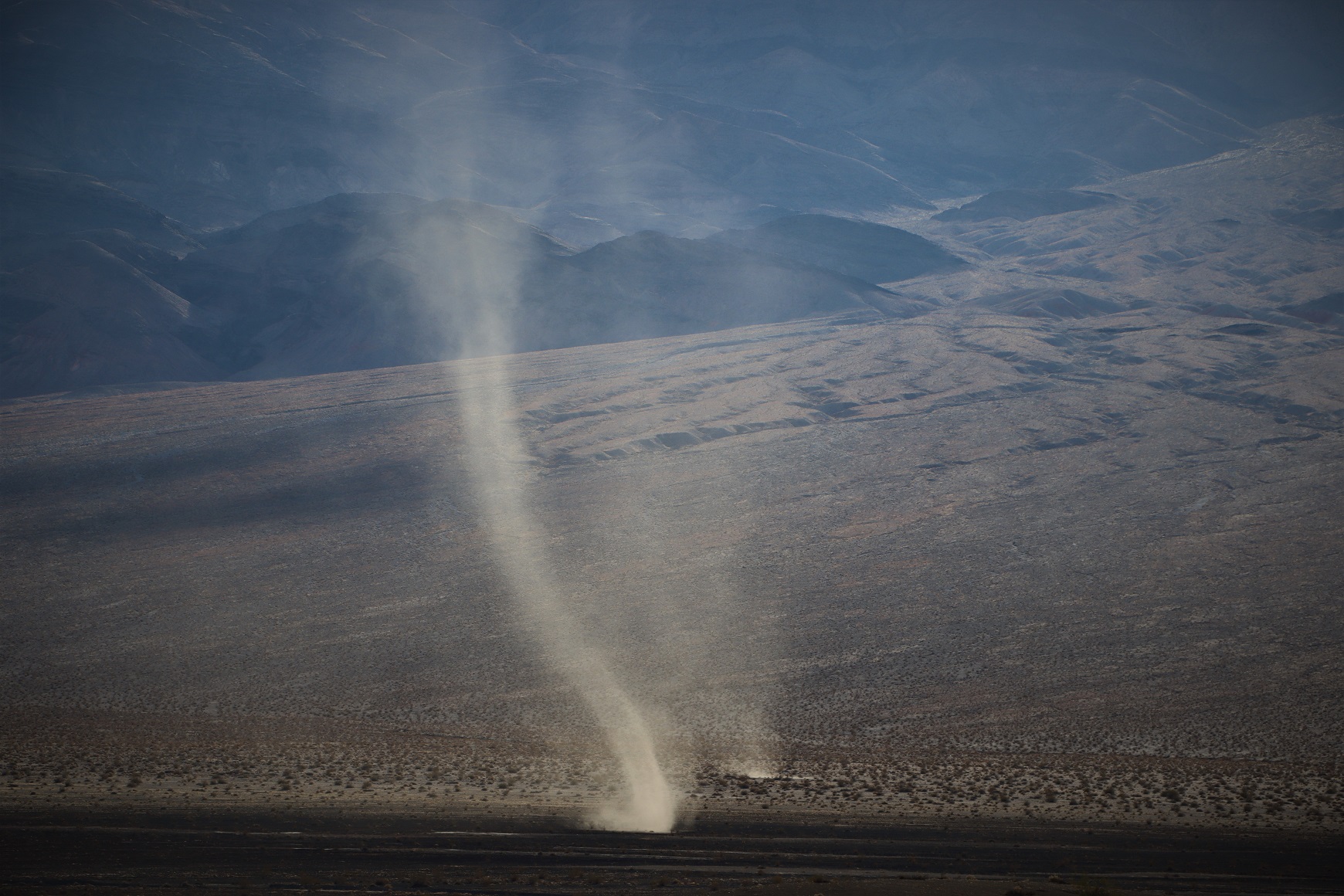
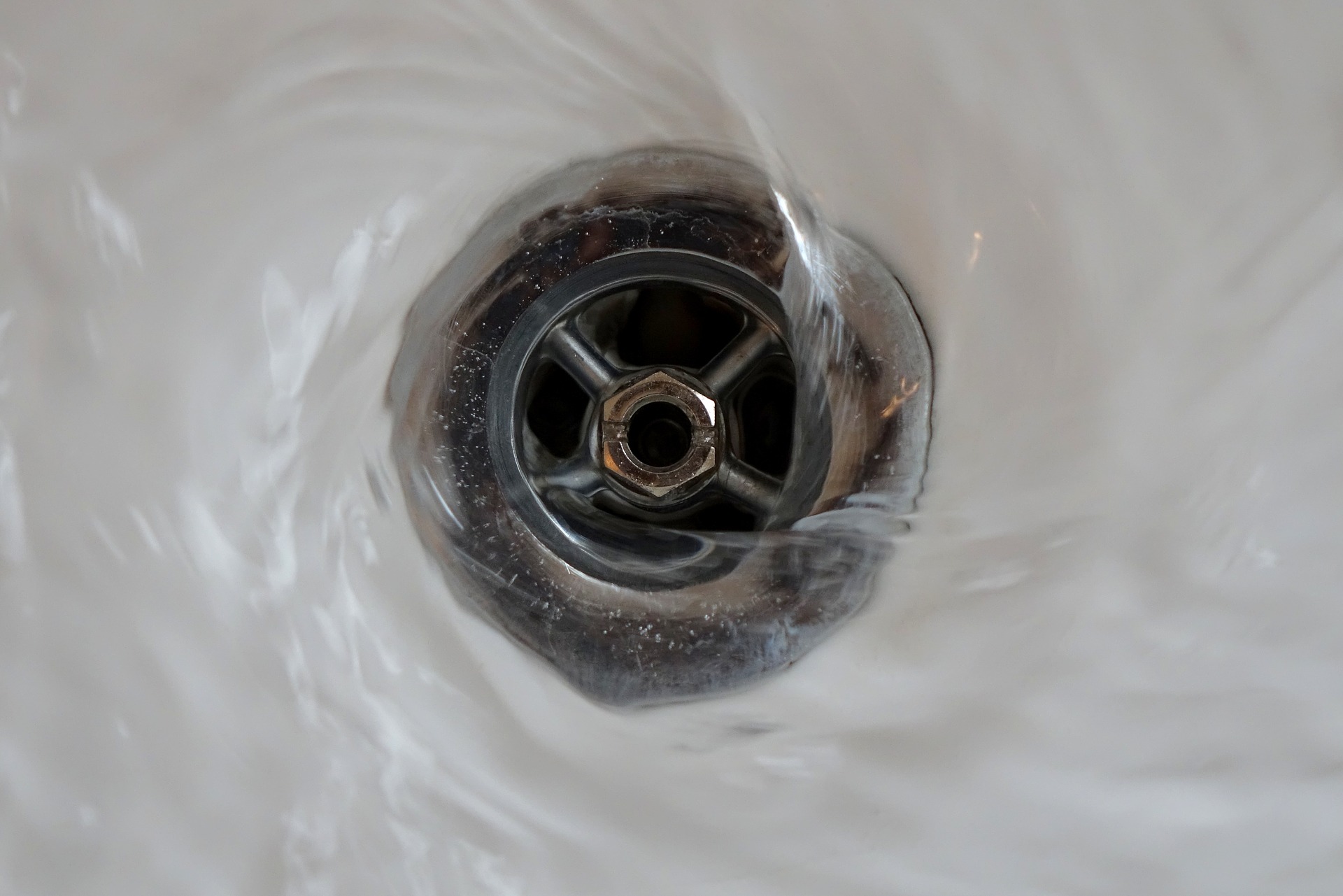
But things get trickier since the Earth is rotating – moving out beneath the direction of the wind. Result – the wind gets bent into a circular path. This is called the Coriolis force, and it shows up in many ways:
The swirling motion of hurricanes.
Tornadoes or whirlwinds.
Even a sink or toilet draining.
Around the world in 18 hours
Now to bring all the pieces together.
Both poles, north and south, are very cold places with cold air.
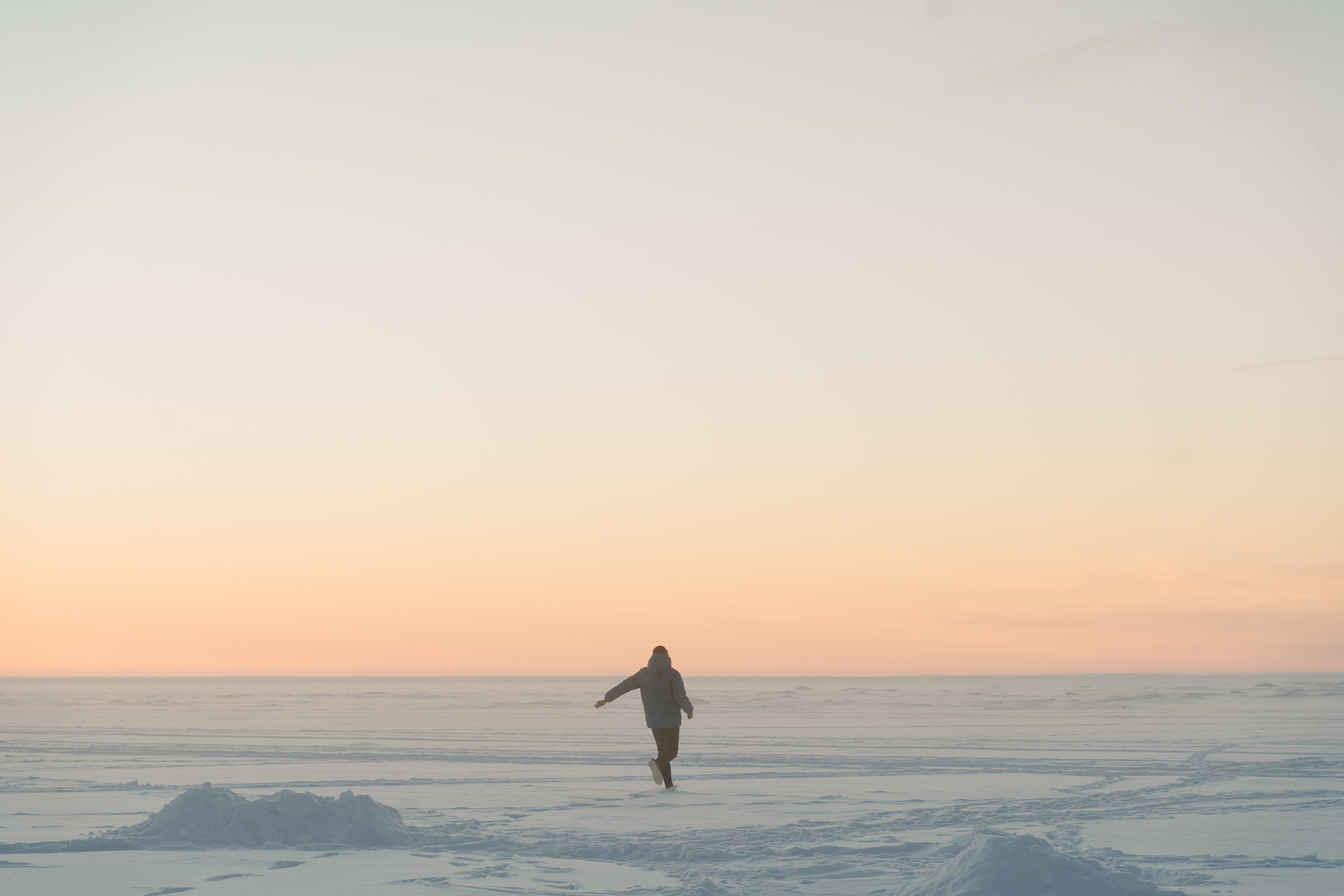
Whereas it gets warmer as one moves away from the poles.
Where the hot and cold air meet is a big pressure difference. Result: air is sucked into the polar regions. There is a wind. The Earth's rotation kicks in, bending the wind around, forming a wind belt around the world – the jet stream.
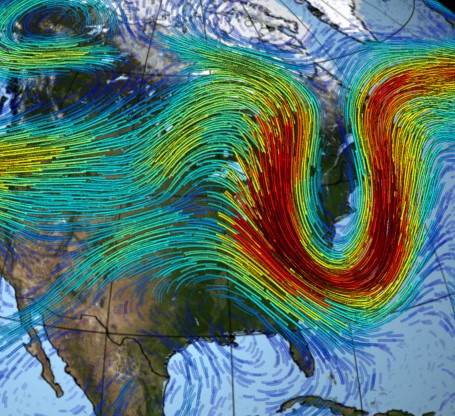
Computer simulation of the winds over the United States. The dark lines show the jet stream. (Source unknown)
The pressure difference is large enough to create a jet stream traveling over 100 mph, enough to go around the world in about 18 hours.
That's some fast-moving wind!
Four for the price of one
But wait, there's more!
There isn't just one jet stream, nor even just two (one for each pole). There are actually four, two in the north and two in the south.
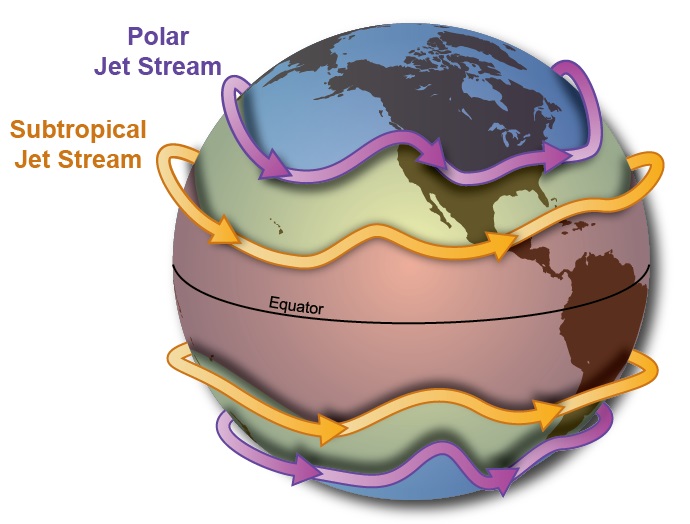
Graphic courtesy of the National Weather Service.
Ah, but the picture is more complex! Sometimes each stream can break into two streams, recombining later, or even break in places.
Yes, it's a complicated mess. Still, on the bright side, it keeps jobs for meteorologists.
The good of it
So, what good is it to know about the jet stream? There are a couple of reasons:
The jet stream does not affect the weather, but it can help understand what the weather is doing. This is because it runs along the boundary between colder and warmer air. Above it tends to be colder and wetter. Below it, warmer and drier.
Knowing where the jet stream is is often vital for airline pilots. Pilots like to steer into the jet stream to aid the flight for long eastbound flights (such as flying from Japan to the United States). On the other hand, westbound flights prefer to avoid the jet stream as it makes progress harder.
Space, the final frontier
One final thought: there are jet streams in space on planets with an atmosphere. The gas giants (Jupiter, Saturn, Uranus, and Neptune) have a lot more than the Earth. In the case of Jupiter, multiple streams partly explain the bands in its appearance.
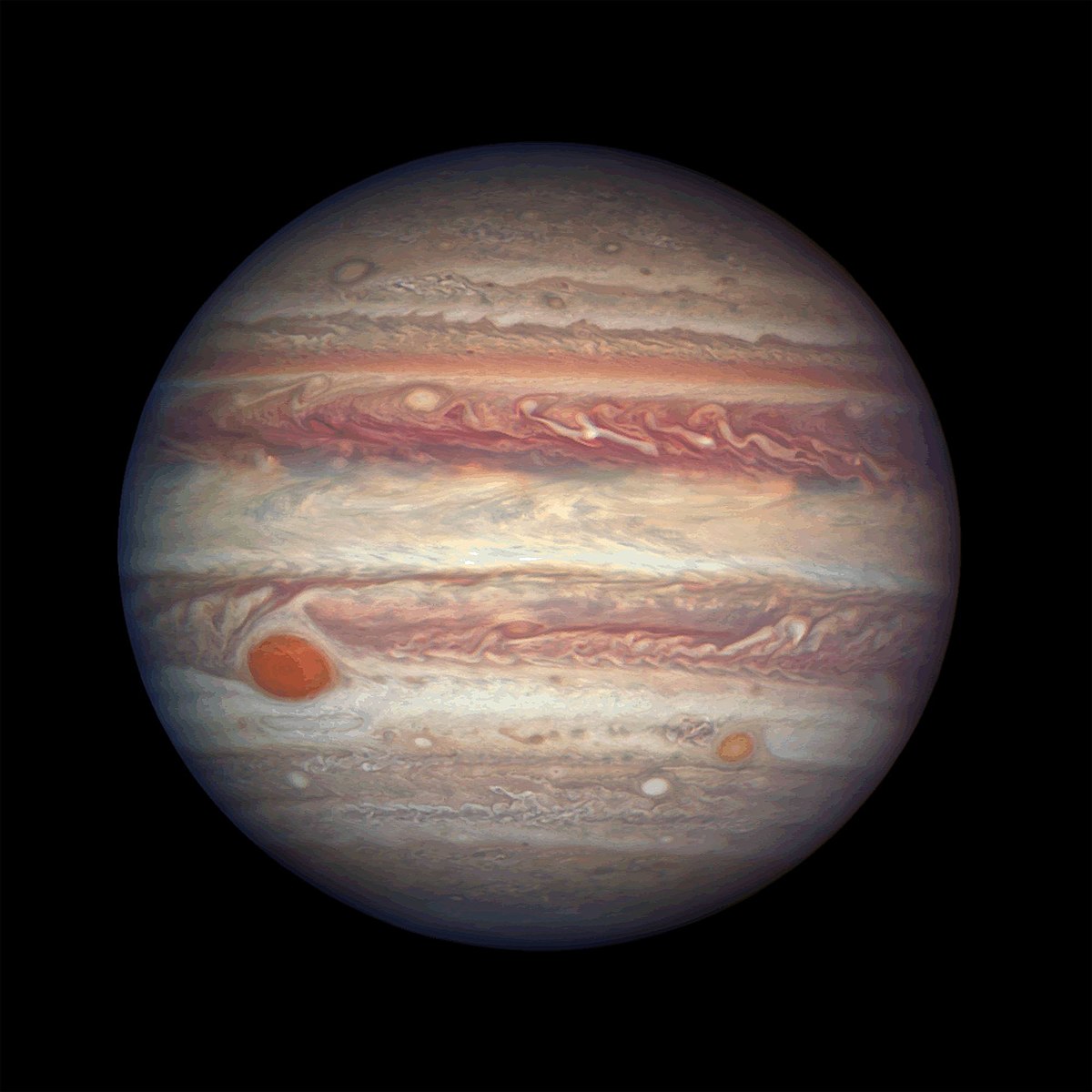
This all goes to show there are a lot of streams out there, some obvious and others not. Either way, they're all important – just like we are all important.
On the web
Global Jet Stream Map – Netweather
This site has an interactive world map, with the option to toggle between seeing where the jet stream is or how the temperature varies in different parts of the world. Switching between the two allows you to see how the jet stream acts as a border between warmer and cooler weather.
This video gives a short but clear demonstration of the Coriolis Effect – the effect that bends the direction of wind as it moves across the Earth. Here the teacher uses a marker on a spinning globe by moving it straight up or down. Then, when the globe is stopped, you can see that, in fact, a curved path is produced. Just like a wind for the jet stream.
I'd love to hear from you. Feel free to email me.
Don't miss out on future posts! Sign up for our email list and like us on Facebook!
Check out more hot topics, go back to Home Page

Comments? You can contact me at mailbox@thehomegrownprofessor.com